Oceania · en-nz
Industrial Fasteners Manufacturer, Wholesaler, Supplier & Exporter to New Zealand
New Zealand's construction and agricultural machinery sectors import fasteners through the Port of Auckland and Port of Tauranga for nationwide distribution.
26
Fastener Product Categories
104
Trade Roles Covered
FCL & LCL
Container Shipping Options
1
Cities With Dedicated Pages
New Zealand at a glance
- Region
- Oceania
- Capital
- Wellington
- Population
- 5.3 million
- Local currency
- New Zealand dollar (NZD)
- Languages
- English, Māori
- Time zone
- Pacific/Auckland (UTC+13:00), 7 h 30 min ahead of India
- Import taxes & duties
- GST on imports, plus customs duty
- Indicative sea transit from India
- about 20–32 days
Population, capital, currency, and languages from Wikidata (checked 2026-09-23); time zones from the IANA tz database. Duty and tax rates change and transit depends on carrier, routing, and port congestion, so figures marked indicative are confirmed against your product and destination port when we quote. Your customs broker should verify final landed cost.
Trade & Shipping Notes
- • Confirm current biosecurity packing requirements with your import agent — heat-treated (ISPM 15) pallets are available on request.
Sourcing Fasteners for New Zealand Buyers
New Zealand's significant agricultural machinery sector drives demand for vibration-resistant fasteners suited to farm equipment operating in demanding field conditions.
Seismic building codes, substantially reinforced after the Christchurch earthquakes, mean structural fasteners for building applications often need documentation confirming compliance with current seismic design requirements.
What's Driving Fastener Demand in New Zealand
- • A significant agricultural machinery sector drives demand for vibration-resistant fasteners.
- • Seismic building codes (reinforced after the Christchurch earthquakes) require specific structural fastener grades.
- • Growing geothermal and wind energy projects add structural mounting fastener demand.
Why Buy From Us
Manufacturer, wholesaler, supplier, and exporter for New Zealand
How we deliver to New Zealand, role by role.
Manufacturer in New Zealand
We manufacture Hex Bolts, Stainless Steel Fasteners and U-Bolts & J-Bolts to AS/NZS where specified, plus ISO and ASTM. Every batch is inspected for dimensions, material, and mechanical properties before it is packed, and mill test certificates can be supplied so your inspector in New Zealand can sign off.
Wholesaler in New Zealand
Buyers in New Zealand can order at volume pricing across mixed sizes and grades. You do not need a full container: partial-container (LCL) orders run under Hurain Engitech & Trade, so a distributor testing New Zealand demand can start small and scale to full container loads.
Supplier in New Zealand
A significant agricultural machinery sector drives demand for vibration-resistant fasteners. That kind of demand rewards a dependable source, so we set up repeat supply against one agreed specification: same standard, grade, finish, and packing on every shipment to New Zealand.
Exporter in New Zealand
We handle the commercial invoice, packing list, certificate of origin, and HS-code classification, and quote FOB, CFR, or CIF to your nearest port. On arrival, expect: GST on imports, plus customs duty. Your customs broker in New Zealand confirms the final landed cost.
Step 1
Confirm the specification
Send product, standard, grade, finish, and quantity for New Zealand. We confirm feasibility, MOQ, and lead time.
Step 2
Manufacture or pick from stock
Common sizes of Hex Bolts and Stainless Steel Fasteners ship from ready stock; special grades and custom parts are produced against a first-article sample.
Step 3
Inspect and pack for sea freight
Batch inspection, corrosion-protected export packing, and labeling that matches your purchase order.
Step 4
Book the container and finish documents
Payment is 50% in advance and 50% before dispatch, once all export documents are complete.
Step 5
Ship to New Zealand
New Zealand's construction and agricultural machinery sectors import fasteners through the Port of Auckland and Port of Tauranga for nationwide distribution. Indicative sea transit from India is about 20–32 days. We stay on the shipment through customs handover.
Industries
Industries we supply in New Zealand
Chosen from what drives fastener demand in New Zealand, not a generic list. Trade context for every industry below: local currency New Zealand Dollar (NZD); import side: GST on imports, plus customs duty; indicative sea transit from India about 20–32 days.
Construction & Infrastructure in New Zealand
Why it matters here: Seismic building codes (reinforced after the Christchurch earthquakes) require specific structural fastener grades.
What buyers need: High-tensile structural bolt assemblies (HSFG) for steel frames.
We supply to New Zealand: High-Tensile Structural Bolts, Anchor Bolts, Hex Bolts.
Agriculture & Farm Machinery in New Zealand
Why it matters here: A significant agricultural machinery sector drives demand for vibration-resistant fasteners.
What buyers need: Vibration-resistant flange bolts and lock nuts.
We supply to New Zealand: Flange Bolts & Flange Nuts, U-Bolts & J-Bolts, Nylon Insert Lock Nuts.
Renewable Energy (Solar & Wind) in New Zealand
Why it matters here: Growing geothermal and wind energy projects add structural mounting fastener demand.
What buyers need: Hot-dip galvanized and stainless structural bolts for outdoor mounting frames.
We supply to New Zealand: U-Bolts & J-Bolts, Anchor Bolts, High-Tensile Structural Bolts.
Where We Help
Fasteners we lead with in New Zealand

Hex Bolts in New Zealand
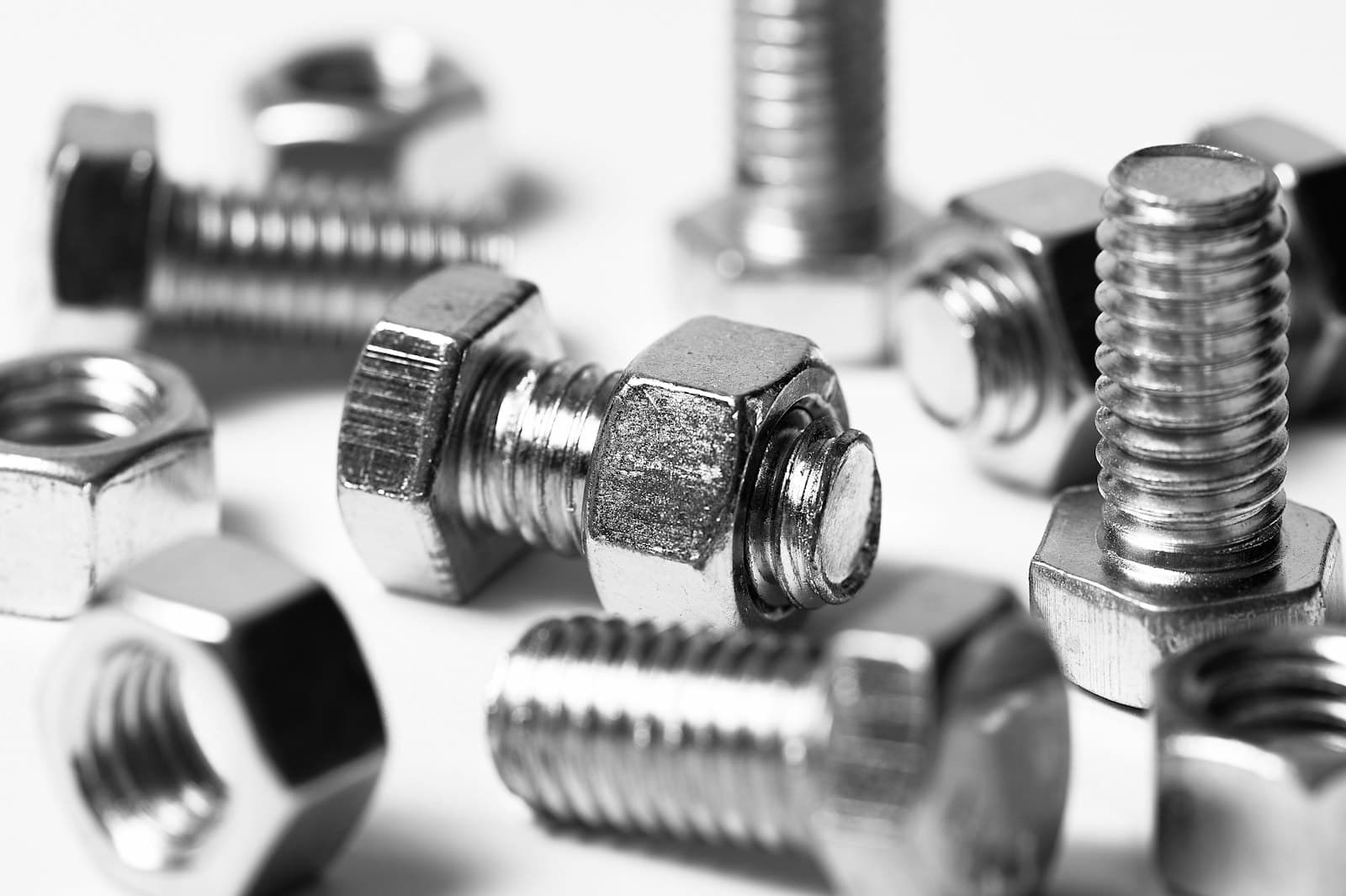
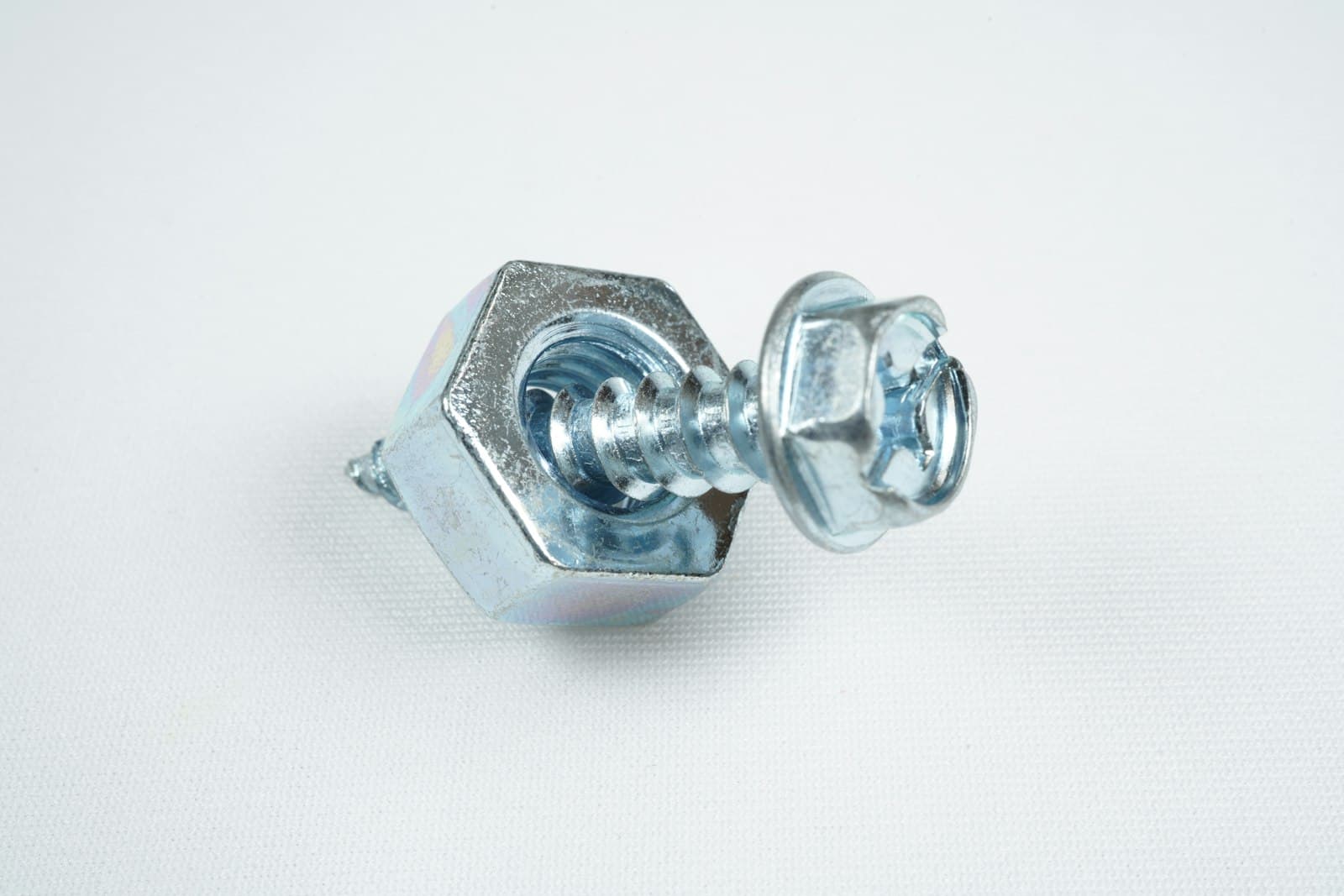
The hex head is popular precisely because it's a compromise that works everywhere: six flats give a wrench or socket enough surface area to apply high torque without rounding off, while the head stays compact enough to fit into most structural and mechanical layouts. That's why hex bolts, more than any other head style, end up specified as the default fastener across construction, machinery, and vehicle assembly.
Common use: Beam-to-column and gusset-plate connections where a specific property class is called out on the fabrication drawing.
Container quantity (approx.): A standard 20ft container (~20 tons) holds approximately 400,000-600,000 pieces of hex bolts in common sizes (M10-M12) — smaller diameters yield more pieces, larger structural sizes far fewer. Exact quantity depends on the specific size and grade ordered and is confirmed at quote time.
Stainless Steel Fasteners in New Zealand
The 304 vs. 316 decision comes down almost entirely to one alloying element: molybdenum, added in 316, which dramatically improves resistance to chloride-induced pitting and crevice corrosion. In practice this means 304 performs perfectly well in most indoor and general outdoor settings, while 316 earns its higher price specifically in marine, coastal, and chemical-exposure environments where chlorides are present.
Common use: Grade 316 fasteners resisting chloride exposure from saltwater and sea spray.
Container quantity (approx.): A standard 20ft container (~20 tons) holds approximately 500,000-800,000 pieces of stainless fasteners in common sizes (M10-M12) — stainless steel's density is close to carbon steel, so counts are similar. Exact quantity depends on the specific product and size and is confirmed at quote time.
U-Bolts & J-Bolts in New Zealand
Because U-bolts and J-bolts are formed to fit a specific pipe, tube, or anchoring situation rather than sold off a standard size chart the way a hex bolt is, the single most important number on the order isn't the thread size — it's the inside dimension across the bend, which has to match the outer diameter of whatever it's clamping. A U-bolt cut a few millimeters too tight or loose either won't fit or won't clamp securely.
Common use: Clamping pipes and conduit to structural framework in pipeline, HVAC, and plumbing installations.
Container quantity (approx.): A standard 20ft container (~20 tons) holds approximately 100,000-160,000 pieces of U-bolts/J-bolts sized for common pipe diameters. Exact quantity depends on the bend size and thread length and is confirmed at quote time.
Cities
Demand hub cities in New Zealand
The Challenge
What buyers run into in New Zealand
No verifiable quality trail
Buyers in New Zealand sourcing fasteners from unverified overseas traders often receive product with no mill test certificate or batch traceability — fine until a structural or high-tensile order fails inspection.
Grade substitution without disclosure
A trading middleman advertising a specific DIN/ISO/ASTM grade may actually supply a close but non-equivalent substitute, which only shows up under load or lab testing.
No first-article sample process
Committing to a full container before seeing a verified sample is a common way buyers discover a specification mismatch too late.
How We Solve It
Our approach for New Zealand orders
Certified batch testing
Every order can be tested and certified against the standard you specify, with mill test certificates and dimensional inspection reports supplied on request.
Traceable heat numbers
Structural and stud bolt orders are supplied with certificates traceable to heat number, so grade claims are verifiable, not just stated.
Samples before full orders
New buyers can request samples to verify quality and dimensions before committing to a full container.
Trade Roles
How we serve New Zealand as manufacturer, wholesaler, supplier & exporter
Our Standard
What every New Zealand order includes
Dimensional inspection
Thread gauge, length, diameter, and head/drive geometry checked against the specified standard.
Material verification
Grade and material composition confirmed against the order specification, with mill test certificates on request.
Mechanical testing
Tensile strength, hardness, and proof-load testing on sample batches, particularly for structural and high-tensile grades.
Finish & coating check
Plating thickness, galvanizing coverage, or passivation quality inspected before packing.
Process
How ordering for New Zealand works
- 1
Send your requirement
Product, grade/standard, quantity, and your preferred Incoterm (FOB/CIF/CFR).
- 2
Receive a quote
We confirm price, lead time, and MOQ based on ready stock or manufacturing time.
- 3
Sample & confirm (optional)
For new buyers, we can arrange samples before the full order is confirmed.
- 4
Production, QC & shipping
Manufacturing or sourcing, batch inspection, export documentation, and container loading.
You don't need a full container to order. Hurain Engitech & Trade — the group Global Fasteners Exports operates under — regularly ships smaller, partial-container (LCL) orders of just a few pallets or boxes for buyers who don't yet need FCL volume, consolidated with other cargo to keep freight cost reasonable.
Not sure which Incoterm to choose? Read our FOB vs CIF vs CFR guide.
FAQ
New Zealand — frequently asked questions
Request a quote for New Zealand
Send your product list, quantities, and destination port for a quote within 1-2 business days.